
As a collaborative effort of therapists, researchers, and minor-attracted people, B4U-ACT’s mission is to promote a science-informed understanding about people in our communities with an attraction to children or adolescents, and to support them living in truth and dignity.
Recent Posts
- B4QR Volume 6, Issue 1 Out Now
 Volume 6, Issue 1 of the B4U-ACT Quarterly Review has just been released and is available here. This issue begins the sixth volume of B4QR, and includes short critical summaries of five studies published between July and December 2025. The featured scholar in the “Meet The New Generation” section of this issue is Hannah Bolt, a PhD candidate at the University of Portsmouth in the United Kingdom. The full text is available to read for free on our site.
 - Participants Wanted for Study on Secondary Prevention Program
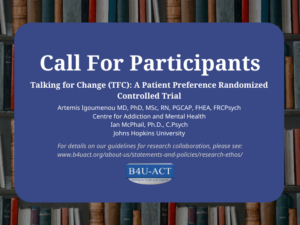 Update, 3/15/2026: Recruitment for this study is closing soon. If you are eligible and have not yet participated, please consider doing so! Original Post, 2/1/2026: Participants are needed for a new research project being conducted by researchers at Johns Hopkins University in Baltimore, MD and the Centre for Addiction and Mental Health in Canada.
 - Participants Wanted for Study on Anonymization in Healthcare
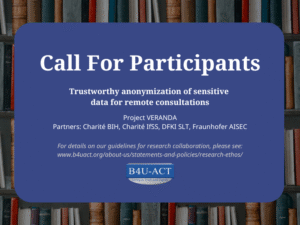 Update, 2/20/2026: Recruitment for this study has been extended. If you are eligible and have not yet participated, please consider doing so! Original Post, 7/7/2025: Participants are needed for a new research project being conducted by Project VERANDA in Germany, a initiative aiming to develop…
Events
The “Dialog on Therapy” is a monthly discussion about meeting the mental health needs of MAPs, open to mental health professionals, MAPs, researchers, and others with a stake in this topic. Click to learn more or join the dialog.
The Research Colloquium Series is a monthly online event open to members of our Researcher Email Group. This event series gives researchers an opportunity to present and follow ongoing research. Learn more and apply to join here.

Who are minor-attracted people and why might they need support?
Many minor-attracted people would like to receive mental health services but are afraid to seek them due to stigma and lack of trust. B4U-ACT aims to improve access to compassionate mental health care that addresses clients’ own stated needs, and combat misconceptions among professionals and the general public that perpetuate secrecy, stigma, and fear.
What We Do
Conferences
Join us at one of our workshops for mental health professionals, researchers and students.
Education
Invite a representative of B4U-ACT to speak at your university class, workshop, or conference.
All Events
View upcoming events, including our ongoing Dialog on Therapy and Research Colloquium event series.
Therapist Referrals
Explore our therapist referral program, which connects qualified therapists and MAPs seeking care.
B4QR
Read the B4U-ACT Quarterly Review: a publication which reviews research related to MAPs.
MAP Peer Support
Learn more about our peer support forum and join a compassionate, supportive community.
Research Consultation
Assistance with research projects aimed at understanding MAPs and their needs.
Research Email Group
Join our email group for researchers who study or are interested in studying minor-attracted persons.
Family/Friends Support
Access support specifically for family and friends of people who are attracted to children or adolescents.